Chalisha: The Elegant Signature Font for Personalized Design
In the world of typography, a single font can transform a design from ordinary to extraordinary. Chalisha is one such typeface—a signature font that exudes elegance and sophistication. Whether you're a designer, business owner, or creator looking to add a personal touch to your work, Chalisha offers a unique blend of style and versatility. This article explores what makes Chalisha stand out, how it can be used, and why it might be the perfect choice for your next project.
What Is Chalisha?
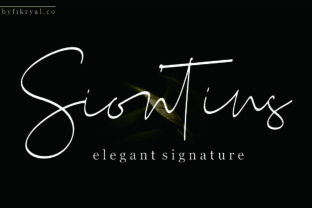
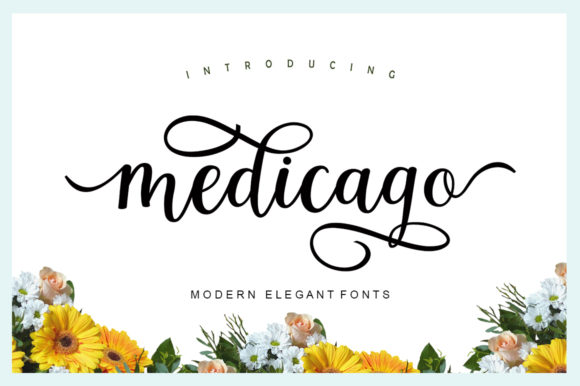
Chalisha is a signature font designed with a focus on grace and individuality. Unlike standard fonts that prioritize readability above all else, Chalisha leans into its artistic flair, making it ideal for situations where visual appeal is as important as clarity. Its cursive style, with flowing lines and subtle flourishes, gives it a handwritten feel that feels both personal and refined.
The name "Chalisha" itself suggests something special—perhaps a sense of uniqueness or a distinct identity. This is reflected in the font's design, which allows users to express their creativity without sacrificing aesthetic quality. While it may not be suitable for long blocks of text, Chalisha shines when used in headings, logos, and other short-form applications.
Key Features of Chalisha
- Elegant Script Style: Chalisha’s flowing script mimics the look of hand-written calligraphy, giving it a timeless and sophisticated appearance.
- High Visual Appeal: The font’s intricate details make it ideal for projects where visual impact is key, such as branding, invitations, and marketing materials.
- Customizable for Different Uses: While primarily a signature font, Chalisha can be adapted for various design contexts, including logos, titles, and decorative elements.
- Easy to Use: With a variety of digital formats available, Chalisha is accessible to designers, creators, and businesses looking to integrate it into their workflow.
When to Use Chalisha
Chalisha is best suited for applications where a personal or artistic touch is desired. It works well in scenarios that require a sense of luxury, creativity, or individuality. Here are some common use cases:
- Branding and Logos: Businesses aiming to convey a sense of elegance or creativity can use Chalisha in their logos or brand identities.
- Invitations and Greeting Cards: For weddings, birthdays, or formal events, Chalisha adds a refined and personalized touch to stationery.
- Marketing Materials: Brochures, posters, and social media graphics can benefit from the font’s visual appeal, especially when paired with clean, modern layouts.
- Artistic Projects: Artists, illustrators, and content creators often use Chalisha to enhance the aesthetic of their work, whether in digital art or print.
However, it's important to note that Chalisha may not be the best choice for body text or large amounts of written content. Its ornate style can reduce legibility, making it less practical for everyday use.
Who Benefits from Using Chalisha?
Chalisha is particularly useful for individuals and businesses that value aesthetics and personal expression. Here are some groups who may find it beneficial:
- Small Business Owners: Entrepreneurs looking to create a distinctive brand image can use Chalisha to differentiate themselves from competitors.
- Graphic and Web Designers: Professionals in the design field can incorporate Chalisha into their projects to add a unique visual element.
- Event Planners: Those organizing weddings, parties, or special events may choose Chalisha for invitations, banners, or signage.
- Content Creators: Bloggers, YouTubers, and social media influencers can use Chalisha to make their content more visually engaging.
While it's not a universal solution, Chalisha can be a powerful tool when used appropriately. Its ability to convey personality and style makes it a popular choice among those who want to stand out in a crowded market.
Strengths and Considerations
One of Chalisha’s greatest strengths is its ability to evoke emotion and character. Its elegant design can instantly elevate the perceived value of a project, making it ideal for high-end or artistic endeavors. However, this same characteristic also means that it may not be suitable for every situation.
When considering whether to use Chalisha, it's important to think about the context and audience. For example, while it may be perfect for a luxury brand or an artistic portfolio, it could appear too informal for a corporate presentation or technical document. Additionally, users should ensure that the font is compatible with their design software and that it renders correctly across different platforms.
Another consideration is the level of customization required. While Chalisha is available in multiple formats, some users may need to adjust spacing, sizing, or other elements to achieve the desired effect. This can be time-consuming, but the results are often worth the effort.
Real-World Applications of Chalisha
To better understand how Chalisha can be applied, let’s look at a few real-world examples:
- Wedding Invitations: A couple choosing a vintage or romantic theme might use Chalisha for their invitation designs, adding a touch of elegance and personalization.
- Personal Branding: An artist or influencer might incorporate Chalisha into their website or social media profile to reflect their creative identity.
- Business Cards: A boutique or independent shop could use Chalisha on their business cards to create a memorable first impression.
- Book Covers: Authors or publishers may use Chalisha for book titles, especially in genres like romance, poetry, or fiction, where visual appeal is important.
These examples demonstrate how Chalisha can be adapted to fit different needs and styles, provided it is used thoughtfully and appropriately.
How to Evaluate if Chalisha Is Right for Your Project
If you’re considering using Chalisha, there are a few factors to evaluate:
- Project Purpose: Ask yourself whether the font aligns with the tone and goals of your project. Does it enhance the message or distract from it?
- Target Audience: Will your audience appreciate the style of Chalisha, or will it come across as too casual or unprofessional?
- Design Context: Consider how Chalisha will look alongside other elements, such as images, colors, and other fonts.
- Technical Requirements: Ensure that the font is available in the right format and that it works well with your design tools.
By taking these factors into account, you can determine whether Chalisha is the right choice for your specific needs.
Conclusion
Chalisha is more than just a font—it’s a tool for expressing creativity, individuality, and style. Its elegant script and refined appearance make it ideal for projects that require a personal or artistic touch. While it may not be suitable for every application, when used correctly, Chalisha can elevate the visual appeal of any design. Whether you're a designer, business owner, or creator, understanding the strengths and limitations of Chalisha can help you make informed decisions about its use in your work.