Madelyn: A Bold Handwritten Font for Dynamic Design
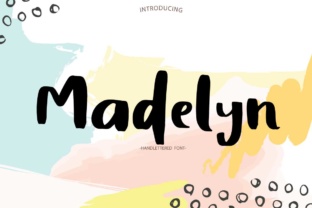
Madelyn is a distinctive handwritten font that stands out with its bold, striking letters. Its unique style offers a fresh and energetic look, making it ideal for projects that require visual impact without sacrificing readability. Whether you're designing a logo, crafting social media graphics, or developing marketing materials, Madelyn can add a touch of personality and creativity to your work.
Understanding the Characteristics of Madelyn
At first glance, Madelyn’s most notable feature is its boldness. The font’s thick strokes and exaggerated curves create a strong visual presence, which can be both a strength and a consideration depending on the context. Unlike more traditional serif or sans-serif fonts, Madelyn’s handwritten aesthetic brings a sense of authenticity and spontaneity to any design.
The font’s structure is consistent, with well-proportioned letters that maintain clarity even at larger sizes. This makes it suitable for headings, titles, and display text where legibility is important. However, its irregularities—such as uneven baseline alignment and varying stroke widths—can affect its performance in certain applications. These characteristics are not flaws but rather features that contribute to its distinctive character.
Practical Applications and Use Cases
Madelyn excels in scenarios where a design needs to convey energy, playfulness, or a personal touch. It works well for branding elements like logos, business cards, and packaging, especially for creative industries such as fashion, art, or lifestyle brands. Its bold nature also makes it effective for headlines in digital ads, posters, and banners where visibility is key.
In web design, Madelyn can be used as a headline font to draw attention and add visual interest. When paired with simpler, more neutral fonts for body text, it creates a balanced composition that highlights the main message without overwhelming the reader. However, it’s less suited for long-form content due to its irregular spacing and potential difficulty in reading at smaller sizes.
Strengths and Limitations
One of Madelyn’s greatest strengths is its versatility. It can adapt to various design styles, from modern and minimalist to vintage and eclectic. Its boldness allows it to command attention, while its handwritten feel adds a human element that can resonate with audiences looking for authenticity.
However, its limitations should not be overlooked. The font’s irregularities may not align with all design aesthetics, particularly those requiring strict typography standards. In professional settings where precision and uniformity are priorities, Madelyn might not be the best choice. Additionally, its limited character set and lack of extensive language support could restrict its use in multilingual projects.
Who Benefits Most from Using Madelyn?
Madelyn is particularly beneficial for designers, marketers, and entrepreneurs who want to express creativity without compromising on impact. It appeals to professionals in the arts, entertainment, and digital marketing sectors who need a font that stands out and reflects their brand’s identity.
Small business owners and independent creators can also find value in Madelyn. For example, a boutique owner creating custom merchandise might use it to add a unique flair to product labels or promotional materials. Similarly, a blogger or content creator could use it to make their website or social media posts more visually engaging.
Real-World Performance and Usability
In practice, Madelyn performs well when used intentionally. Its boldness ensures that it captures attention, but overuse can lead to visual clutter. Designers should consider the scale, spacing, and surrounding elements to ensure it complements the overall layout rather than distracts from it.
When testing Madelyn across different platforms and devices, it maintains its legibility and style, though some variations may occur depending on rendering engines. This consistency is important for maintaining a cohesive brand image across multiple mediums.
Recommendations for Effective Use
To get the most out of Madelyn, start by identifying the specific goals of your project. If the objective is to create a memorable visual identity, this font can be a powerful tool. Pair it with complementary fonts to balance its boldness and ensure readability.
For digital use, consider using Madelyn at larger sizes and limiting its application to key areas such as headlines or call-to-action buttons. In print, it can enhance the visual appeal of brochures, flyers, and signage, provided the resolution and formatting are appropriate.
Finally, always test the font in the intended environment. Preview how it looks in different contexts—on screens, in printed materials, and alongside other design elements—to ensure it meets your expectations and delivers the desired effect.
Long-Term Value and Considerations
Madelyn offers long-term value for those who appreciate its unique aesthetic and functionality. Its bold, handwritten style can remain relevant in evolving design trends, especially as more designers seek authentic and expressive typefaces. However, its suitability depends on the specific needs of each project and the preferences of the target audience.
For professionals looking to expand their typographic toolkit, Madelyn provides a valuable option that can elevate their designs and differentiate their work. It’s an asset for anyone aiming to add a dynamic, eye-catching element to their creative output.