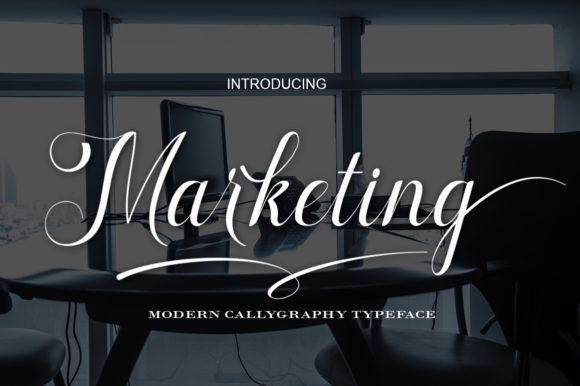
Marketing: A Modern Script Font for Creative Expression
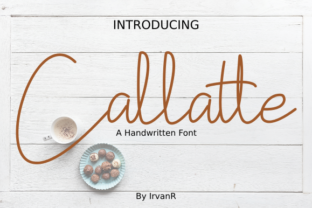
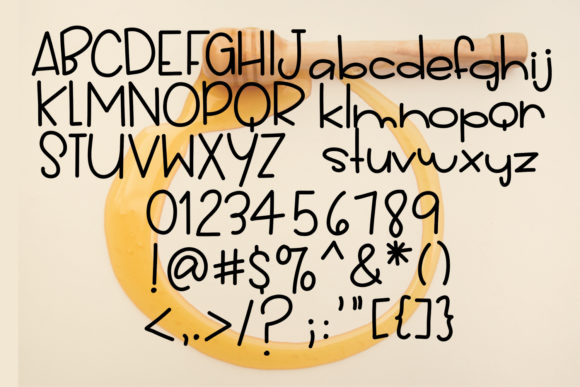
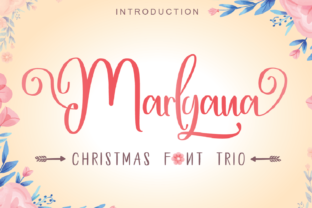
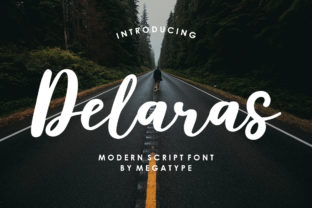
Marketing is a modern script font that combines the elegance of handmade calligraphy with the versatility of digital typography. Designed with decorative characters and a flowing, dancing lineage, it offers a unique aesthetic that can elevate a wide range of design projects. From invitations and greeting cards to branding materials and business cards, Marketing provides a sophisticated yet approachable look that appeals to both designers and businesses.
Understanding the Appeal of Marketing
The popularity of Marketing stems from its ability to blend traditional craftsmanship with contemporary design needs. For those looking to add a personal or artistic touch to their work, this font offers an accessible way to incorporate calligraphic elements without requiring advanced hand-lettering skills. Its fluid strokes and ornamental details make it ideal for projects that aim to convey warmth, creativity, or refinement.
Designers and marketers often seek fonts that can differentiate their work in a competitive landscape. Marketing’s distinctive style allows for visual uniqueness while maintaining readability. This makes it particularly useful for brands aiming to stand out through typography, especially in industries such as fashion, lifestyle, or artisanal services.
Benefits of Using Marketing
One of the primary advantages of Marketing is its adaptability. It works well in both print and digital formats, making it suitable for a variety of applications. Whether used for a wedding invitation, a logo, or a social media graphic, the font adds a sense of authenticity and artistry that can enhance the overall design.
Another benefit is its ease of use. Unlike traditional calligraphy, which requires time and practice, Marketing can be applied instantly through digital tools. This accessibility allows even non-designers to experiment with creative typography and achieve professional-looking results quickly.
Considerations and Tradeoffs
While Marketing offers many benefits, it may not be the best choice for every project. Its decorative nature can sometimes reduce legibility, especially in smaller sizes or when used extensively in body text. For this reason, it is generally more suited for headings, titles, or short phrases rather than long paragraphs.
Additionally, the font’s unique style may not align with all brand identities. Businesses that prioritize minimalism, clarity, or a more corporate image might find that Marketing feels too stylized or unconventional. In such cases, simpler or more neutral fonts could be a better fit.
Situations Where Marketing Shines
Marketing excels in situations where visual appeal and emotional resonance are key. For example, it is well-suited for creative industries such as weddings, art galleries, or boutique shops that want to convey a sense of individuality and charm. Its flowing lines and elegant curves can evoke a feeling of sophistication and personalization, which can be valuable in building brand identity.
It also works well for projects that require a handwritten or organic feel. This includes social media posts, promotional banners, or packaging designs where a more human touch is desired. By using Marketing, creators can add a layer of authenticity that resonates with audiences seeking something more than standard typography.
When Alternatives May Be Better
In some cases, alternative fonts may provide a more effective solution. For instance, if a project requires high readability across multiple platforms, a sans-serif or serif font with a cleaner design might be preferable. Similarly, for formal or professional contexts, a more restrained typeface could better reflect the intended tone and message.
Readers should also consider the target audience when choosing a font. If the goal is to communicate information clearly and efficiently, a simpler font may be more appropriate. However, if the focus is on aesthetics or storytelling, Marketing can be a compelling option.
Practical Insights for Decision-Making
When evaluating whether to use Marketing, it’s important to consider the specific goals of the project. Ask questions such as: What message do I want to convey? Who is my audience? What visual style aligns with my brand or concept? These considerations can help determine whether the font’s characteristics match the intended outcome.
Testing the font in different contexts is also recommended. Experimenting with various sizes, colors, and backgrounds can reveal how well it performs in real-world scenarios. This process can highlight any potential issues and ensure that the final design meets the desired standards.
Finally, staying informed about design trends and best practices can guide the decision-making process. While Marketing offers a distinctive style, understanding how it fits into broader design principles can help users make more confident and effective choices.
Conclusion
Marketing is a versatile and visually appealing script font that can add character and creativity to a wide range of design projects. Its combination of handmade calligraphy and digital functionality makes it a valuable tool for those looking to express individuality through typography. However, its suitability depends on the specific needs and goals of the project. By carefully considering factors such as readability, context, and audience, users can determine whether Marketing aligns with their vision and objectives.