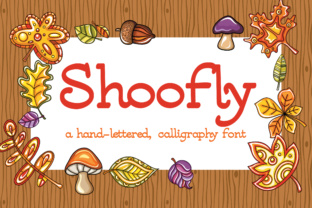
Shoofly: A Unique Calligraphy Font for Modern Designers
In an era where visual communication is more important than ever, the right font can make all the difference. Shoofly, a hand-lettered, calligraphy-style font, has been gaining attention among designers, marketers, and creatives who are looking for a fresh, approachable alternative to traditional calligraphy fonts. With its less formal feel, Shoofly offers a versatile option that fits into a wide range of design projects, from branding to digital content creation.
As the design industry continues to evolve, so do the tools and resources that professionals use. Shoofly stands out in this landscape by offering a unique blend of elegance and informality. It's not just a font—it's a reflection of changing trends in how we communicate visually. This article explores what makes Shoofly special, why it's becoming a go-to choice for many, and how it aligns with broader shifts in design and technology.
What Is Shoofly?
Shoofly is a hand-lettered, calligraphy-style font that combines the beauty of traditional calligraphy with a more relaxed, modern aesthetic. Unlike many calligraphy fonts that lean heavily into formality or historical references, Shoofly brings a sense of warmth and approachability. Its design allows for a natural flow that feels both artistic and accessible.
The font includes uppercase letters, lowercase letters, numbers, symbols, and international characters, making it a practical choice for a variety of applications. Whether you're designing a logo, crafting a social media post, or creating a website layout, Shoofly provides a consistent and stylish look that can be adapted to different contexts.
One of the key features of Shoofly is its versatility. It can be used in both digital and print formats, and its legibility ensures that it remains effective even at smaller sizes. This makes it a valuable asset for designers who need a font that works across multiple platforms and mediums.
How Shoofly Fits Into Broader Trends
The rise of Shoofly reflects a larger shift in the design world toward more personalized and human-centric aesthetics. In recent years, there has been a growing preference for fonts that feel authentic and expressive rather than rigid or overly stylized. This trend is particularly evident in the increasing popularity of hand-lettered and custom typography, which adds a unique touch to any design project.
Moreover, the demand for fonts that support international characters highlights the global nature of modern design. Shoofly’s inclusion of international characters makes it a practical choice for creators working with diverse audiences. This is especially relevant in today’s interconnected world, where businesses and individuals often need to communicate across languages and cultures.
Another factor contributing to Shoofly’s appeal is the growing emphasis on accessibility in design. As more people become aware of the importance of inclusive design practices, fonts that are easy to read and adaptable to different needs are becoming more sought after. Shoofly’s clean lines and balanced structure help ensure that it remains readable without sacrificing style.
Why People Are Paying Attention to Shoofly
Designers and creatives are increasingly drawn to Shoofly because it offers a fresh perspective on calligraphy-style typography. In a market saturated with similar fonts, Shoofly distinguishes itself through its balance of formality and informality. It’s not too stiff, nor is it too casual—it sits in a sweet spot that appeals to a wide range of users.
This balance is particularly appealing to entrepreneurs and small business owners who want to create a strong brand identity without relying on overly traditional or expensive fonts. Shoofly provides a cost-effective solution that still delivers a high-quality, professional look. For freelancers and independent designers, it’s a tool that can help them stand out in a competitive field.
Additionally, Shoofly’s ease of use makes it a favorite among those who may not have extensive design experience. Its intuitive structure and clear letterforms allow for quick and efficient integration into various projects. This accessibility is a major advantage in an industry where time and efficiency are critical factors.
Changing Needs and Preferences in Design
The design landscape is constantly evolving, and with it, the expectations of users. Today’s designers are looking for fonts that not only look good but also adapt to new technologies and platforms. Shoofly meets these demands by offering a flexible, scalable typeface that works well in both static and dynamic environments.
For example, as more content is consumed on mobile devices, the need for fonts that remain legible on smaller screens has become more important. Shoofly’s design ensures that it maintains its clarity and charm even when viewed on a smartphone or tablet. This makes it a valuable asset for digital marketers and content creators who prioritize user experience.
Furthermore, the trend toward minimalism in design has influenced the way fonts are used. Many designers now prefer clean, uncluttered layouts that allow the message to take center stage. Shoofly supports this trend by providing a subtle yet distinctive presence that enhances the overall composition without overwhelming it.
Practical Examples of Shoofly in Use
One of the most common applications of Shoofly is in branding. Companies that want to convey a sense of creativity and approachability often choose this font for their logos and marketing materials. Its unique character helps differentiate a brand from competitors while maintaining a professional appearance.
Another area where Shoofly shines is in social media content. With the rise of visual storytelling, many creators use custom typography to make their posts stand out. Shoofly’s hand-lettered style adds a personal touch that resonates with audiences, making it ideal for Instagram captions, Twitter headers, and Facebook banners.
Web designers also find value in Shoofly for its ability to enhance user engagement. When used effectively, the font can add a layer of personality to a website without compromising readability. This is especially useful for blogs, portfolios, and e-commerce sites that aim to build a connection with their audience.
Connecting Shoofly to Larger Developments
Shoofly’s growing popularity is part of a larger movement toward more expressive and personalized design solutions. As technology continues to advance, the tools available to designers are becoming more sophisticated, allowing for greater experimentation and customization. Fonts like Shoofly reflect this shift by offering a level of flexibility that was previously unavailable.
Moreover, the increasing focus on user experience (UX) in design has led to a greater appreciation for fonts that are both aesthetically pleasing and functional. Shoofly’s design philosophy aligns with this principle, ensuring that it enhances the visual appeal of a project while remaining easy to read and navigate.
In the broader context of consumer behavior, the demand for unique and memorable brands is on the rise. Shoofly plays a role in this by providing a font that can help businesses create a distinct identity in a crowded market. As consumers become more discerning, the need for thoughtful, intentional design has never been greater.
Conclusion
Shoofly is more than just a font—it’s a reflection of current design trends and a response to the evolving needs of professionals and creatives. Its hand-lettered, calligraphy-style aesthetic offers a refreshing alternative to traditional fonts, combining elegance with approachability. Whether used in branding, digital content, or web design, Shoofly provides a versatile and stylish solution that meets the demands of modern design.
As the design industry continues to embrace personalization, accessibility, and innovation, fonts like Shoofly will play an increasingly important role. By understanding the value of this unique typeface, designers and creators can elevate their work and connect more effectively with their audiences. Shoofly is not just a font; it’s a tool for expression, a symbol of change, and a testament to the power of thoughtful design.