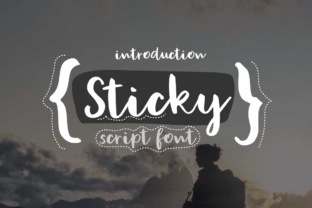
Sticky: The Handwritten Script Font That Brings Personality to Design
If you're looking for a font that adds a personal touch without sacrificing clarity, Sticky might be the perfect fit. This modern, handwritten script font is designed with a clean style that makes it highly readable, even at smaller sizes. Its versatility allows it to work in a wide range of design projects, from branding to packaging and everything in between.
Understanding What Makes Sticky Unique
Sticky stands out because it blends the warmth of a hand-drawn font with the precision of digital typography. Unlike many script fonts that can feel too ornate or hard to read, Sticky maintains a balance that makes it suitable for both casual and professional use. The subtle variations in the strokes give it an authentic, human feel, which can make your designs feel more approachable and engaging.
One of the key strengths of Sticky is its adaptability. It works well in both light and dark environments, and its open letterforms ensure that it doesn’t get lost in busy layouts. Whether you're designing a logo, a social media post, or a product label, Sticky can add a touch of personality that other fonts might not provide.
Real-World Applications of Sticky
For small businesses looking to create a brand identity, Sticky can be a game-changer. A bakery, for example, might use it on their menu or signage to convey a sense of warmth and craftsmanship. Similarly, a boutique clothing store could use it for labels or promotional materials to give their brand a more artisanal feel.
In the world of digital marketing, Sticky can help stand out in a crowded space. Social media posts, email newsletters, and website headers that use Sticky can capture attention while maintaining readability. This is especially useful for brands targeting a younger, more design-conscious audience who appreciate a unique visual style.
Event planners and wedding designers often rely on fonts that feel personal and elegant. Sticky can be used for invitations, programs, or signage at events, adding a custom touch that feels thoughtfully crafted. Its clean lines make it easy to pair with other fonts, allowing for a balanced and cohesive design.
Who Benefits From Using Sticky?
Graphic designers are among the biggest beneficiaries of Sticky. They can use it to add a human element to their work without compromising on professionalism. For instance, a designer working on a client's brochure might choose Sticky for headings to create a more inviting and relatable tone.
Entrepreneurs and independent creators also find value in Sticky. If you're launching a new product or service, using a font like Sticky can help you communicate your brand’s personality more effectively. It’s particularly useful for those who want to avoid the generic look of standard fonts and instead go for something that feels more authentic.
Content creators and influencers can benefit from Sticky as well. Whether they're designing Instagram posts, YouTube thumbnails, or blog headers, Sticky can help their content stand out and feel more personal. It’s a great way to build a stronger connection with their audience.
Considerations Before Using Sticky
Before choosing Sticky, it's important to consider the context in which it will be used. While it's highly readable, it may not be the best choice for long blocks of text. Stick to using it for headings, titles, or short phrases where its personality can shine without overwhelming the reader.
Another consideration is how Sticky looks across different platforms and devices. Testing it on various screens and print materials can help ensure that it maintains its intended appearance. Some users have noted that certain stylized elements may appear slightly different depending on the software or device being used.
Finally, think about how Sticky fits into your overall design strategy. It should complement other elements of your project rather than compete with them. Pairing it with a sans-serif or serif font can help create a more balanced and visually appealing layout.
When to Avoid Using Sticky
While Sticky is versatile, there are situations where it might not be the best choice. In formal or high-stakes environments, such as legal documents, financial reports, or corporate presentations, a more traditional font might be more appropriate. These settings often require a level of professionalism that a handwritten script might not convey.
Additionally, if your design is already very busy or complex, using Sticky could add unnecessary visual noise. In such cases, it’s better to opt for a simpler, more neutral font that allows the other elements to take center stage.
Lastly, if you're targeting an audience that values minimalism or modern aesthetics, Sticky might not align with their expectations. It’s always a good idea to consider your audience’s preferences and how the font will be perceived by them.
Sticky in Action: Practical Examples
Imagine a local coffee shop that wants to update its branding. By using Sticky for their logo and signage, they can create a warm, inviting atmosphere that feels more personal. The font’s readability ensures that customers can easily read the menu and other information without any issues.
A fashion brand might use Sticky for their product tags or packaging to add a handmade quality that appeals to customers looking for unique, artisanal items. This can help differentiate their products from mass-produced alternatives and create a more memorable shopping experience.
Even in more technical fields, Sticky can find a place. A tech startup might use it for a tagline on their website to introduce a friendly and approachable tone, balancing the more serious aspects of their business with a touch of personality.