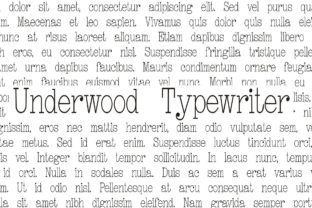
Underwood Typewriter: A Strategic Tool for Authentic Communication
The Underwood Typewriter font is more than just a nostalgic design—it's a powerful tool for creating visual authenticity in communication. Originally inspired by the mechanical typewriters of the early 20th century, this font carries the weight of history while offering modern flexibility. For professionals and creators aiming to build trust, clarity, and a distinct brand identity, the Underwood Typewriter can be a strategic asset when used intentionally.
Unlike many digital fonts that prioritize sleekness or minimalism, the Underwood Typewriter brings a tactile quality to text. Its uneven letter spacing, subtle imperfections, and classic layout evoke the feel of handwritten or typewritten documents. This characteristic makes it ideal for projects where a sense of tradition, craftsmanship, or authenticity is desired.
Why Underwood Typewriter Matters for Strategic Communication
In an era dominated by clean, uniform digital typography, the Underwood Typewriter stands out as a deliberate choice. It signals a return to simplicity, a respect for the past, and a focus on substance over style. For businesses, educators, and content creators, this font can help differentiate messaging in a crowded market.
Consider a small business launching a new product line. Using the Underwood Typewriter in promotional materials can create a sense of nostalgia and reliability. It may not be the best fit for every project, but when used with purpose, it can reinforce a brand’s story and values. Similarly, educators might use it in lesson plans or historical documents to add context and depth to their materials.
When to Use Underwood Typewriter: Practical Scenarios
The Underwood Typewriter shines in situations where the goal is to convey a sense of history, craftsmanship, or human touch. Here are some practical scenarios where it can be strategically useful:
- Brand Identity: Businesses looking to position themselves as traditional, artisanal, or heritage-focused can use the font to align with those values.
- Marketing Materials: Posters, brochures, and packaging that aim to evoke a vintage aesthetic can benefit from the font’s unique character.
- Educational Content: History lessons, literature analyses, or creative writing exercises can use the font to enhance the learning experience.
- Personal Projects: Bloggers, artists, and hobbyists may use it to add personality and authenticity to their work.
However, it’s important to consider the audience and context. A tech startup targeting a young, digital-savvy demographic may find the font too outdated or unprofessional. In such cases, a more modern typeface would be more appropriate.
Strategic Considerations for Using Underwood Typewriter
Before incorporating the Underwood Typewriter into any project, it’s essential to evaluate its relevance and impact. Ask yourself: What message am I trying to send? Who is my audience? How will this font support my goals?
One key consideration is readability. While the font has a charming aesthetic, it may not be the best choice for long blocks of text. It works best in short phrases, headlines, or decorative elements rather than body copy. Additionally, ensure that the font is available in all necessary formats and that it displays consistently across devices and platforms.
Another strategic point is consistency. If you choose to use the Underwood Typewriter, apply it sparingly and thoughtfully. Overuse can dilute its impact and make your messaging appear cluttered or unprofessional. Instead, use it as a signature element that reinforces your brand’s identity without overwhelming the viewer.
Planning Tips for Effective Use
To maximize the value of the Underwood Typewriter, follow these planning tips:
- Define Your Purpose: Clarify why you’re using the font. Is it to add authenticity, create a specific mood, or differentiate your brand? Having a clear purpose ensures the font serves a strategic function.
- Test Different Applications: Experiment with how the font looks in various contexts—headlines, logos, social media posts, or printed materials. This helps identify where it works best.
- Combine with Complementary Elements: Pair the Underwood Typewriter with other fonts or design elements that enhance its strengths. For example, a serif font could complement its classic feel, while a sans-serif might provide contrast.
- Monitor Audience Reaction: Pay attention to how your target audience responds to the font. Feedback can reveal whether it resonates with them or if adjustments are needed.
By taking a thoughtful approach, you can ensure that the Underwood Typewriter enhances your communication rather than detracts from it.
Risks of Using Underwood Typewriter Without Clear Intent
While the Underwood Typewriter can be a valuable tool, using it without a clear strategy can lead to unintended consequences. One common risk is misalignment with your brand’s identity. If the font doesn’t reflect your values or resonate with your audience, it can confuse or alienate readers.
Another risk is overuse. Applying the font excessively can make your content look chaotic or unprofessional. It’s important to maintain balance and use it only where it adds value. Additionally, failing to consider accessibility can be a problem. Some users may find the font difficult to read, especially in low-resolution settings or on mobile devices.
Finally, relying on the font as a shortcut rather than a meaningful choice can undermine your efforts. The Underwood Typewriter should be used to support your goals, not as a substitute for thoughtful design and planning.
Long-Term Value of Intentional Use
When used with intention, the Underwood Typewriter can contribute to long-term brand recognition and customer loyalty. Its unique character helps create a memorable visual identity, which is crucial in a competitive market. Over time, consistent use of the font can become a signature element of your brand, reinforcing its values and personality.
Moreover, the font can serve as a bridge between past and present. It allows you to honor traditional values while still engaging with modern audiences. This duality can be particularly appealing to consumers who appreciate authenticity and craftsmanship.
Ultimately, the strategic use of the Underwood Typewriter is about making deliberate choices that align with your goals. Whether you're building a brand, designing marketing materials, or creating educational content, this font can be a powerful ally when used with care and purpose.