All Things: A Playful Font for Creative Projects
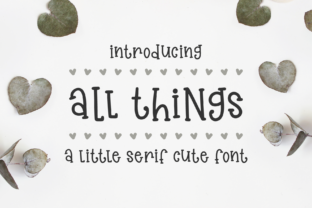
When it comes to design, the right font can make all the difference. All Things is a cute little sans serif font that brings a sense of joy and clarity to any project. Its friendly appearance makes it ideal for creative work that needs a touch of personality without sacrificing readability.
Whether you're designing a children's book, a social media post, or a marketing campaign, All Things offers a unique blend of charm and functionality. It's not just a font—it's a tool that can help you communicate more effectively and express your creativity with confidence.
Why All Things Matters in Design
Fonts are more than just visual elements; they shape how people perceive your message. All Things stands out because it combines a playful aesthetic with clear, legible characters. This balance makes it perfect for projects that need to be both engaging and easy to read.
For example, if you're creating content for a brand targeting younger audiences, All Things can help convey a sense of fun and approachability. Its clean lines and rounded edges give it a soft, inviting look that feels welcoming rather than formal.
This font is especially useful when you want to maintain a professional tone while adding a personal touch. It’s a great choice for anything from greeting cards to digital signage, where a bit of character can go a long way.
Practical Benefits of Using All Things
One of the key advantages of All Things is its versatility. It works well in both digital and print formats, making it a reliable option across different mediums. Whether you're designing a website, a poster, or a brochure, this font adapts smoothly to various layouts and sizes.
Another benefit is its ease of use. Because it's a sans serif font, it pairs well with other typefaces, allowing you to create visually balanced designs without worrying about conflicting styles. This flexibility can save time during the design process, as you won't need to spend extra effort matching fonts.
For designers who value efficiency, All Things also offers a consistent look across different platforms. You can be confident that your text will appear the same on a screen as it does on paper, reducing the risk of formatting issues.
Real-World Applications of All Things
Consider a small business owner looking to launch a new product line. Using All Things on packaging or promotional materials can help create a cohesive brand identity that feels both modern and approachable. The font’s friendly appearance can make the brand more relatable to customers, encouraging engagement and loyalty.
Similarly, educators or content creators might find All Things useful for presentations or educational materials. Its legibility ensures that information is easy to follow, while its playful style can make learning more enjoyable. This is particularly beneficial for younger audiences or interactive lessons.
For bloggers or social media managers, All Things can add a fresh, dynamic feel to headlines and captions. It’s a great way to stand out in a crowded space without overwhelming readers with overly complex typography.
Who Can Benefit Most from All Things
While All Things is suitable for a wide range of users, it particularly appeals to those in creative industries. Graphic designers, marketers, and content creators often seek fonts that offer both style and usability, and All Things fits that need perfectly.
Entrepreneurs and small business owners may also find value in using this font. It provides a professional yet distinctive look that can help their brand stand out in a competitive market. For those focused on user experience, the font’s clarity ensures that messages are communicated effectively.
Additionally, hobbyists and DIY enthusiasts can benefit from All Things when working on personal projects. Whether it's a handmade card, a custom t-shirt design, or a home decor item, this font adds a touch of personality that feels authentic and thoughtful.
Limitations and Considerations
Like any font, All Things has its best fit scenarios. While it excels in playful or casual contexts, it may not be the ideal choice for highly formal or traditional designs. If your project requires a more serious or minimalist tone, you may want to explore other options.
It’s also important to consider the context in which the font will be used. For instance, if your audience includes older readers or those with visual impairments, you may need to test the font’s readability at different sizes to ensure it remains accessible.
Finally, while All Things is a great choice for many projects, it’s always a good idea to compare it with other fonts to see which one aligns best with your specific goals. Experimenting with different typefaces can help you find the perfect match for your design vision.
How to Use All Things Effectively
To get the most out of All Things, start by understanding the tone and message of your project. If you’re aiming for a lighthearted or whimsical vibe, this font can enhance that feeling. However, if you need a more neutral or professional look, you may want to pair it with a more traditional typeface.
When using All Things in digital formats, make sure to test it across different devices and browsers to ensure consistency. For print projects, check how it appears in various sizes and lighting conditions to maintain clarity and impact.
Lastly, don’t be afraid to experiment. Try using All Things in different parts of your design—headlines, body text, or even as a decorative element. You might discover new ways to incorporate it into your work that you hadn’t considered before.