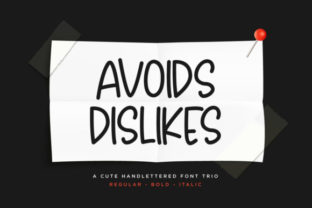
Avoids Dislikes: A Handmade Font for Creative Projects
The Avoids Dislikes font is a unique handmade typeface that blends a fun, beachy aesthetic with versatile applications across various design projects. Its distinct character makes it an appealing choice for creators looking to add personality and style to their work. Whether used in logos, packaging, or promotional materials, this font offers a fresh and expressive alternative to more traditional typefaces.
What Is Avoids Dislikes?
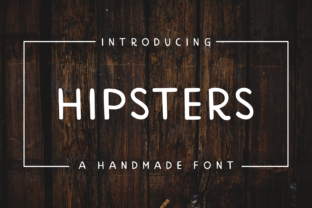
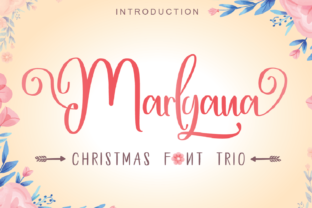
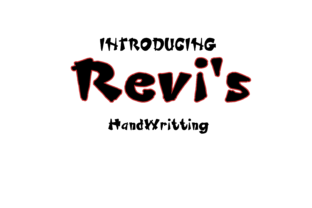
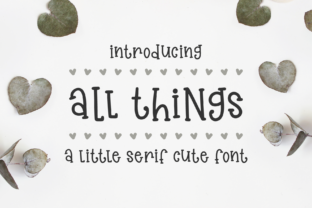
Avoids Dislikes is a custom-designed font that stands out for its handmade quality and playful tone. It features irregular shapes and organic curves that give it a casual, approachable feel. This font is ideal for projects that aim to convey a relaxed, creative, or whimsical vibe. Its visual style is particularly well-suited for contexts where a personal touch or artistic flair is desired.
The font’s name itself suggests a focus on avoiding monotony or overused design elements. Instead, it offers a distinctive look that can help differentiate a brand or message from the competition. Its versatility allows it to be used in both feminine and masculine contexts, making it a flexible option for a wide range of creative needs.
Why Someone Might Be Interested in Avoids Dislikes
Designers and marketers often seek fonts that can add visual interest without overwhelming the message. Avoids Dislikes provides this balance by offering a unique yet readable style. For those working on projects with a coastal, summer, or laid-back theme, this font can enhance the overall aesthetic and reinforce the intended mood.
Additionally, the font’s handmade nature appeals to creators who value authenticity and craftsmanship. It can be especially useful for small businesses, independent brands, or artists looking to establish a recognizable identity. Its ability to work well in both large and small text sizes also makes it practical for different design applications.
Benefits of Using Avoids Dislikes
One of the key advantages of Avoids Dislikes is its ability to convey a specific tone or emotion through its visual style. The font’s informal and friendly appearance can make a brand feel more approachable and relatable. This is particularly beneficial for industries such as fashion, beauty, or lifestyle, where the visual identity plays a significant role in customer perception.
Another benefit is its adaptability. While it has a distinct personality, it can still be used in professional settings when paired with more structured typefaces. This flexibility allows designers to maintain consistency while adding a unique element to their work.
Moreover, the font’s readability is generally good, even at smaller sizes. This makes it suitable for use in body text, although users should test it in different contexts to ensure it meets their specific needs.
Considerations and Tradeoffs
While Avoids Dislikes offers a unique visual style, it may not be the best choice for every project. Its informal appearance could be unsuitable for more serious or corporate branding. Designers should consider the tone and audience of their work before selecting this font.
Another consideration is the font’s availability and licensing. Users should verify that they have the proper rights to use the font for their intended purpose, especially if it will be used commercially. Some handmade fonts may have restrictions that limit their use in certain contexts.
Additionally, the font’s distinct style may not pair well with all other typefaces. Designers should experiment with different combinations to find the most effective and aesthetically pleasing results.
Situations Where Avoids Dislikes Fits Well
Avoids Dislikes is well-suited for projects that aim to evoke a relaxed, creative, or personal atmosphere. It works well for branding in industries such as fashion, cosmetics, and lifestyle products, where a friendly and approachable image is important. For example, it could be used in product packaging, social media graphics, or promotional banners to create a cohesive and visually appealing design.
The font is also a strong choice for projects that require a handwritten or artisanal look. This includes things like wedding invitations, greeting cards, or personalized merchandise. Its organic feel can add a sense of warmth and individuality to these types of designs.
In addition, the font can be used effectively in digital marketing materials, such as website headers, email newsletters, or social media posts. Its eye-catching style can help draw attention and stand out in a crowded online space.
Situations Where Alternatives May Be Better
For projects that require a more formal or structured appearance, alternatives to Avoids Dislikes may be more appropriate. Fonts with cleaner lines and more uniform shapes are often better suited for corporate branding, legal documents, or technical content where clarity and professionalism are essential.
Designers should also consider the target audience when choosing a font. If the audience expects a more traditional or polished look, a different typeface might be more effective. In such cases, it’s important to evaluate the font’s suitability based on the specific needs of the project and the preferences of the intended viewers.
Finally, if the goal is to create a highly readable and universally accessible design, a more standard font may be preferable. While Avoids Dislikes has its own charm, it may not be the best choice for all applications.
Decision-Making Insights
When evaluating whether to use Avoids Dislikes, designers should start by defining the goals of their project. What message do they want to convey? Who is the target audience? How does the font align with the overall visual identity?
Testing the font in different contexts is also important. Experimenting with how it looks in various sizes, colors, and backgrounds can help determine its effectiveness for a specific use case. This process can reveal any potential issues and highlight the font’s strengths.
Ultimately, the decision to use Avoids Dislikes should be based on how well it supports the project’s objectives and resonates with the intended audience. By considering these factors, designers can make an informed choice that enhances the overall impact of their work.