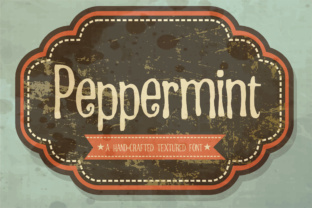
Peppermint: A Versatile Font for Creative Projects
When it comes to typography, the right font can make all the difference in a design. Peppermint is one such font that has gained popularity among creators and professionals alike. This hand-crafted font has a bit of texture throughout but it still remains a great font for using on craft and cutting machines. Its unique blend of charm and functionality makes it a go-to choice for a variety of projects.
Understanding Peppermint: What Makes It Unique
Peppermint is more than just a font; it's a style that brings a touch of personality to any design. The texture in the font gives it a handmade feel, which is perfect for crafts, DIY projects, and personalized items. Whether you're creating a custom sign or designing a label, Peppermint adds an element of authenticity that other fonts might lack.
The font's characteristics are designed with practicality in mind. Its legibility is maintained even at smaller sizes, making it suitable for both large and small projects. The subtle texture doesn't interfere with readability, ensuring that your message is clear and effective.
Features and Characteristics of Peppermint
- Hand-Crafted Texture: The slight imperfections in the font mimic a real handwritten style, giving it a personal touch.
- Legibility: Despite its texture, Peppermint remains easy to read, even in smaller sizes.
- Versatility: Suitable for a wide range of applications, from digital designs to physical crafts.
- Compatibility: Works well with most cutting machines and design software, making it accessible for various users.
Where Can You Use Peppermint?
Peppermint is ideal for a variety of uses, especially for those who work with craft and cutting machines. Here are some common applications:
- Craft Projects: Use Peppermint for making custom signs, greeting cards, and scrapbook pages. Its texture adds a unique flair to handmade items.
- Personalized Gifts: Whether it's a name tag, a custom mug, or a birthday card, Peppermint can add a special touch to your gifts.
- Business Branding: Small businesses can use Peppermint for logos, packaging, and marketing materials to create a distinctive brand identity.
- Online Designs: For web designers and social media managers, Peppermint offers a stylish option for headings and banners.
Who Benefits from Using Peppermint?
Peppermint is particularly beneficial for a range of users, including:
- Artists and Crafters: Those who enjoy creating handmade items will appreciate the texture and character that Peppermint adds to their work.
- Small Business Owners: Entrepreneurs looking to stand out in a competitive market can use Peppermint to enhance their branding efforts.
- Designers: Graphic designers seeking a unique font that combines aesthetics with functionality will find Peppermint to be a valuable addition to their toolkit.
- DIY Enthusiasts: Individuals who enjoy personalizing their spaces or creating custom items will find Peppermint to be a versatile and appealing choice.
Strengths and Considerations
While Peppermint has many strengths, there are also some considerations to keep in mind. One of its main advantages is its ability to add a handmade feel to designs without sacrificing clarity. However, the texture may not be suitable for all types of projects. For instance, if you're working on a highly formal document, a more traditional font might be more appropriate.
Another consideration is the compatibility of Peppermint with different software and machines. While it generally works well with most cutting machines, it's always a good idea to test the font with your specific equipment to ensure optimal results. Additionally, some users may find the texture slightly distracting in certain contexts, so it's important to evaluate whether it aligns with your project's goals.
Real-World Applications of Peppermint
Let's explore some real-world scenarios where Peppermint can be effectively used:
- Custom Signage: A local bakery might use Peppermint for its storefront sign to create a warm, inviting atmosphere that reflects its homemade products.
- Wedding Invitations: Couples looking for a personal touch on their wedding invitations could choose Peppermint to add a unique, handcrafted feel.
- Product Labels: A small business selling handmade candles or soaps might use Peppermint on product labels to emphasize the artisanal nature of their offerings.
- Social Media Graphics: Influencers and content creators can use Peppermint in their graphics to maintain a consistent and engaging visual style.
Evaluating Suitability for Your Projects
Before deciding to use Peppermint, consider the following factors:
- Project Purpose: Determine what message you want to convey and whether Peppermint aligns with that goal.
- Target Audience: Think about who will see your design and whether the font's characteristics will resonate with them.
- Technical Requirements: Check the compatibility of Peppermint with your design software and cutting machines to avoid any potential issues.
- Aesthetic Preferences: Assess whether the texture and style of Peppermint complement the overall look of your project.
By taking these factors into account, you can ensure that Peppermint enhances your work rather than detracts from it. Remember, the key is to choose a font that not only looks good but also serves the purpose of your project effectively.
Conclusion
Peppermint is a versatile and expressive font that offers a unique combination of texture and readability. Its hand-crafted appearance makes it ideal for a wide range of creative and professional applications. Whether you're a crafter, designer, or business owner, Peppermint can add a personal touch to your work. By understanding its features, considering its suitability for your projects, and exploring its real-world applications, you can make the most of this distinctive font. With its growing popularity, Peppermint continues to be a favorite among those who value both style and functionality in their designs.