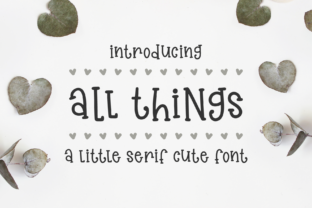
Claster: A Handmade Calligraphy Font for Creative Projects
Claster is a new, handmade calligraphy font designed for users seeking a unique and elegant typographic style. With its organic, flowing lines and artistic flair, Claster offers a fresh alternative to standard fonts, making it ideal for a variety of design applications.
What Is Claster?
Claster is a custom calligraphy font that mimics the look of hand-drawn lettering. Created with care and attention to detail, this font brings a personal touch to any project. Its design reflects the natural variation found in handwritten script, giving it a warm and authentic feel. Unlike many digital fonts that can appear rigid or uniform, Claster adds a sense of movement and character to text.
Why Someone Might Be Interested in Claster
Individuals who work with visual design, branding, or creative writing may find Claster appealing. Its distinctive style makes it well-suited for projects that require a personal or artistic touch. For example, designers looking to create a unique brand identity might consider using Claster to add a custom feel to their materials.
Additionally, those involved in crafting greeting cards, invitations, or posters could benefit from Claster’s aesthetic. The font’s readability combined with its artistic elements allows it to stand out without compromising clarity. This balance makes it a practical choice for both professional and personal use.
Benefits of Using Claster
One of the main advantages of Claster is its ability to enhance the visual appeal of text. The font’s handmade quality gives it a sense of authenticity that can elevate the overall look of a design. This makes it particularly useful for projects where aesthetics are important, such as marketing materials or creative artwork.
Another benefit is its versatility. Claster can be used across different mediums, including print and digital formats. Whether it’s for a business card, a website header, or a social media graphic, the font maintains its visual integrity. This adaptability makes it a valuable tool for designers and content creators.
Tradeoffs and Considerations
While Claster offers a unique style, it may not be suitable for all types of projects. For instance, in situations where legibility is critical, such as large blocks of body text, Claster might not be the best choice. Its ornate features could make it harder to read at smaller sizes or in dense layouts.
Users should also consider the technical requirements of working with this font. Depending on the platform or software being used, there may be compatibility issues or limitations in how the font appears. It’s important to test the font in different contexts before committing to its use in a final project.
Situations Where Claster Is a Strong Fit
Claster excels in scenarios where a personal or artistic touch is desired. For example, it is well-suited for branding materials that aim to convey creativity, craftsmanship, or individuality. Businesses in the arts, fashion, or lifestyle industries might find that Claster helps reinforce their brand’s identity through typography.
The font is also a good fit for projects that involve quotes, slogans, or short phrases. In these cases, the visual impact of Claster can help draw attention and convey emotion effectively. It works well in headers, logos, and other design elements where the text is meant to be visually prominent.
Situations Where Alternatives May Be Worth Considering
In some cases, alternatives to Claster may be more appropriate. For example, if a project requires a clean, modern look, a sans-serif or serif font might be a better option. These fonts often offer greater readability and a more neutral appearance, which can be preferable in certain contexts.
Additionally, users who prioritize simplicity or efficiency might prefer a font that is easier to work with in terms of spacing, kerning, and layout. While Claster adds character, it may require more careful adjustment to ensure it looks its best in different settings.
Practical Decision-Making Insights
When deciding whether to use Claster, it’s helpful to evaluate the specific needs of the project. Ask questions such as: What is the primary purpose of the text? How will it be viewed? Will the font contribute to the overall message or aesthetic?
Testing the font in different formats and sizes can also provide valuable insights. Users should experiment with how Claster appears in various designs to determine if it meets their expectations. This process can help avoid potential issues related to legibility or visual consistency.
Finally, considering the target audience is essential. If the intended viewers value creativity and individuality, Claster may be an excellent choice. However, if the audience prefers a more traditional or straightforward approach, alternative fonts might be more effective.
Conclusion
Claster is a handmade calligraphy font that offers a unique and artistic approach to typography. Its distinct style makes it well-suited for creative projects that benefit from a personal touch. However, its suitability depends on the specific needs of the project and the preferences of the audience.
By carefully evaluating the benefits, tradeoffs, and practical considerations, users can determine whether Claster aligns with their goals. Whether it’s for branding, design, or artistic expression, Claster provides a compelling option for those looking to add a touch of elegance and individuality to their work.